Beating the Heat: 7 Drought-Tolerant Plants for Cebu’s Dry Season
Every year, when the dry season hits Cebu, backyard gardeners and small-scale farmers face the exact same struggle. The scorching heat rolls in, water bills spike, and fragile leafy greens begin to wilt by mid-morning.
At Escario Botanical Garden, we experience the full force of the tropical elements up in Aloguinsan. We have designed our 15,000-square-meter landscape around sustainable agricultural practices like crop rotation and rainwater harvesting. The secret to keeping a garden lush and productive during a hot spell isn’t constantly watering it—it is choosing resilient crops that naturally know how to conserve moisture.
If you want a productive, low-water garden that laughs in the face of intense heat, here are 7 drought-tolerant plants that thrive perfectly in Cebuano soil.
1. Okra (Lady’s Finger)
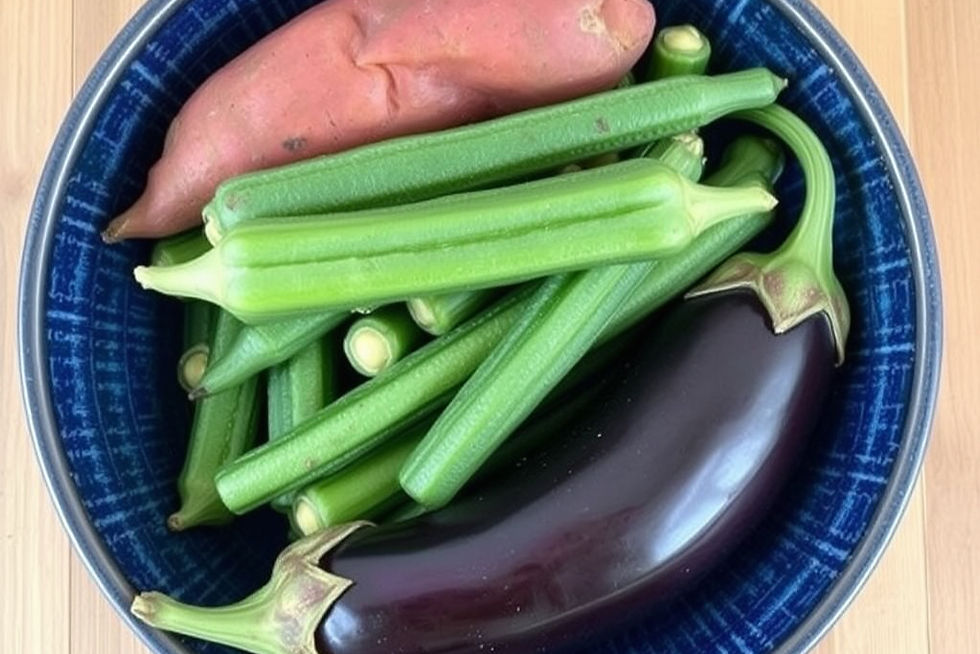
Okra is an absolute superhero in a sun-baked garden. Thanks to its deep taproot system, it can mine for moisture deep underground long after the topsoil has dried up. Its large, fuzzy leaves are built to withstand direct, punishing sunlight. Even better, it produces non-stop pods the hotter it gets.
2. Talong (Eggplant)
As a member of the Solanaceae family, the humble talong loves the heat. Once its root system is firmly established, it can easily tolerate several days without rain. At Escario Botanical Garden, we rotate our eggplants through structured 4-year cycles to keep the soil healthy, and they consistently remain a dependable anchor during our driest months.
3. Kamote (Sweet Potato)
If you need a resilient ground cover to shield your soil from the blazing sun, kamote is your best friend. It grows aggressively in poor, dry soil, creating a living mulch that prevents moisture from evaporating out of the earth. You get two crops in one: nutritious talongbos (leaves) for your dinner table and hardy tubers under the ground.
4. Mani (Peanut)
Peanuts are rugged legumes that love sandy or loose soil and high temperatures. Because they fix nitrogen into the earth, they actually improve the soil quality while surviving on minimal watering. They are a brilliant option for a mid-dry-season crop rotation when you want to rest your soil beds while keeping them productive.
5. Kalabasa (Squash)
While squash leaves might look slightly droopy during the absolute peak afternoon heat, do not let that fool you—the plant is just conserving energy. Its massive, sprawling leaf canopy functions as a natural umbrella, shading the soil beneath it to keep its roots cool.
6. Alugbati (Malabar Spinach)
Standard leafy greens like lettuce stand zero chance against a harsh Cebuano dry season. If you want homegrown greens for your utan bisaya, plant alugbati instead. Though not a true spinach, this succulent vine has thick, fleshy leaves and stems that store water internally, allowing it to stay crisp and green through long dry spells.
7. Singkamas (Jicama)
Singkamas is a root vegetable uniquely adapted to tropical dry seasons. It actually prefers long periods of bright, uninterrupted hot days to develop its crisp, juicy, water-packed bulbs under the dirt.
Pro Tips for Managing Your Dry-Season Garden
Even the toughest crops need a small head start to reach their full, drought-resistant potential. Use these three essential strategies to maximize your water efficiency:
Prioritize Deep Mulching: Never leave your soil bare. Layer organic matter, dried leaves, or rice hulls around the base of your plants. Mulch acts like a protective blanket, reducing soil water evaporation by up to 60%.
Water Content vs. Frequency: Instead of giving your plants a superficial splash of water every single day, water them deeply and thoroughly once every two or three days. This encourages the roots to grow downward into the earth searching for water, rather than staying near the hot surface.
Feed with "Black Gold": Mix healthy organic compost or vermiculture castings into your soil. Soil enriched with organic worm castings acts like a sponge, retaining moisture far longer than compact clay or loose sand.
Want to see these principles in action?
Come visit us at Escario Botanical Garden in Rosario, Aloguinsan. Take a walk through our interactive crop plots, check out our active vermiculture setups, and discover how sustainable agriculture can transform your backyard garden.


Comments